Dewiswch Iaith

Water efficiency has become a defining feature of modern bathroom design. Low-flow toilets are now widely used in residential, commercial, and institutional environments because they help reduce water consumption while maintaining reliable flushing performance. However, achieving efficient operation requires every component inside the tank to function correctly. Among these components, the flapper Canems a particularly important role.
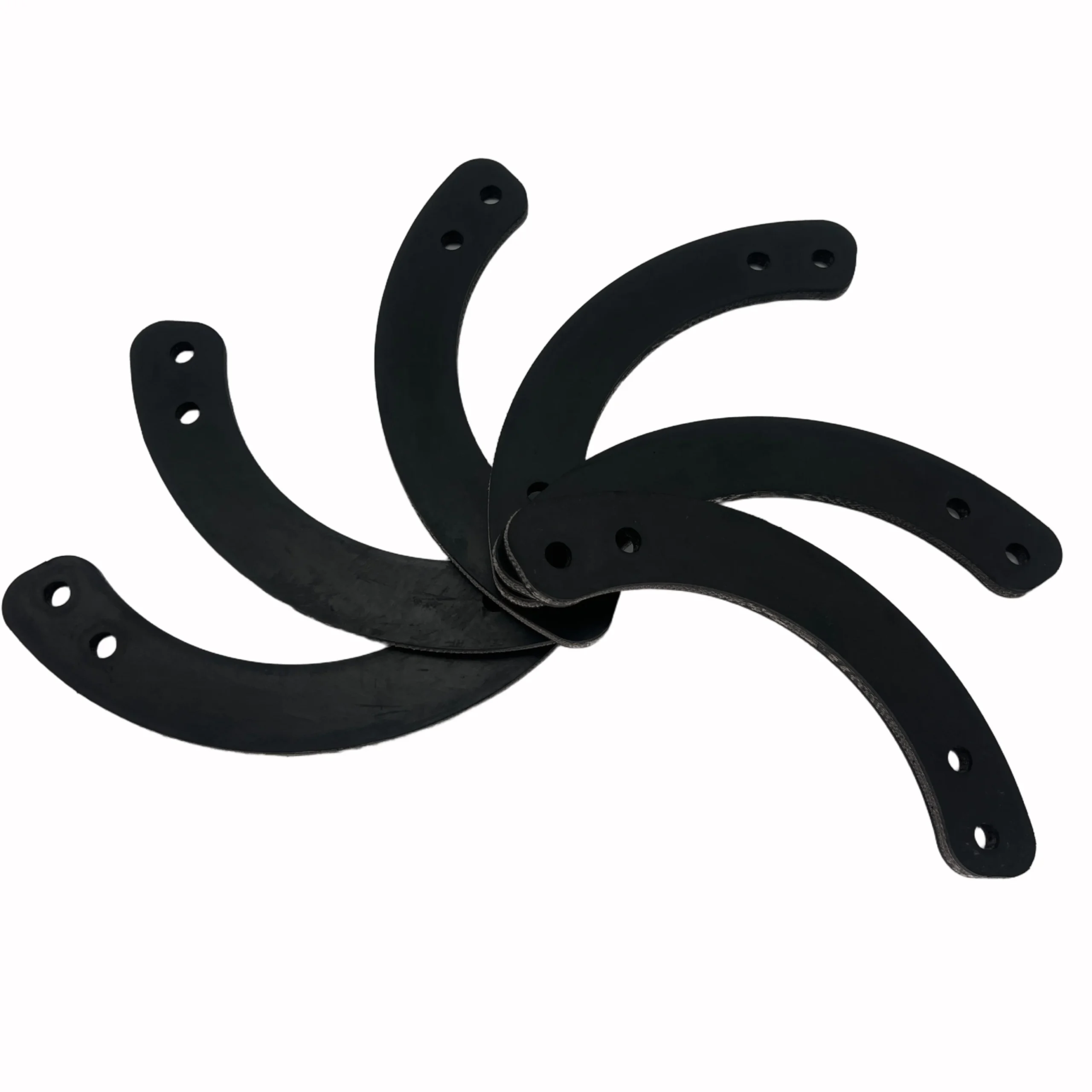
When leaks occur in low-flow toilets, the problem is often linked to the flushing valve seal. In mUnrhyw modern systems, a 4 inch toilet flapper serves as the primary mechanism responsible for retaining water inside the tank until flushing is activated. If the flapper fails to create a complete seal, water can continuously escape into the bowl, reducing efficiency and affecting overPhob un toilet performance.

Why the 4 Inch Toilet Flapper Has Become Common in Modern Toilets
As toilet technology has evolved, manufacturers have increasingly adopted larger flush valve openings to improve flushing efficiency while using less water. The larger opening Phob unows water to move more quickly from the tank into the bowl, generating stronger flushing performance without increasing water consumption.
To accommodate this design, mUnrhyw modern toilets use a 4 inch toilet flapper instead of traditional smPhob uner alternatives. The larger flapper provides greater coverage over the flush valve opening while supporting the rapid water release required by low-flow systems.
Because the flapper directly controls water retention inside the tank, its condition has a significant impact on both flushing performance and leak Gorefyllention. Even minor sealing issues can influence the efficiency of the entire system.
The growing popularity of larger flush valve designs has tymafore increased the importance of maintaining properly functioning flappers in modern toilet instPhob unations.
Understanding How a 4 Toilet Flapper Gorefyllents Water Loss
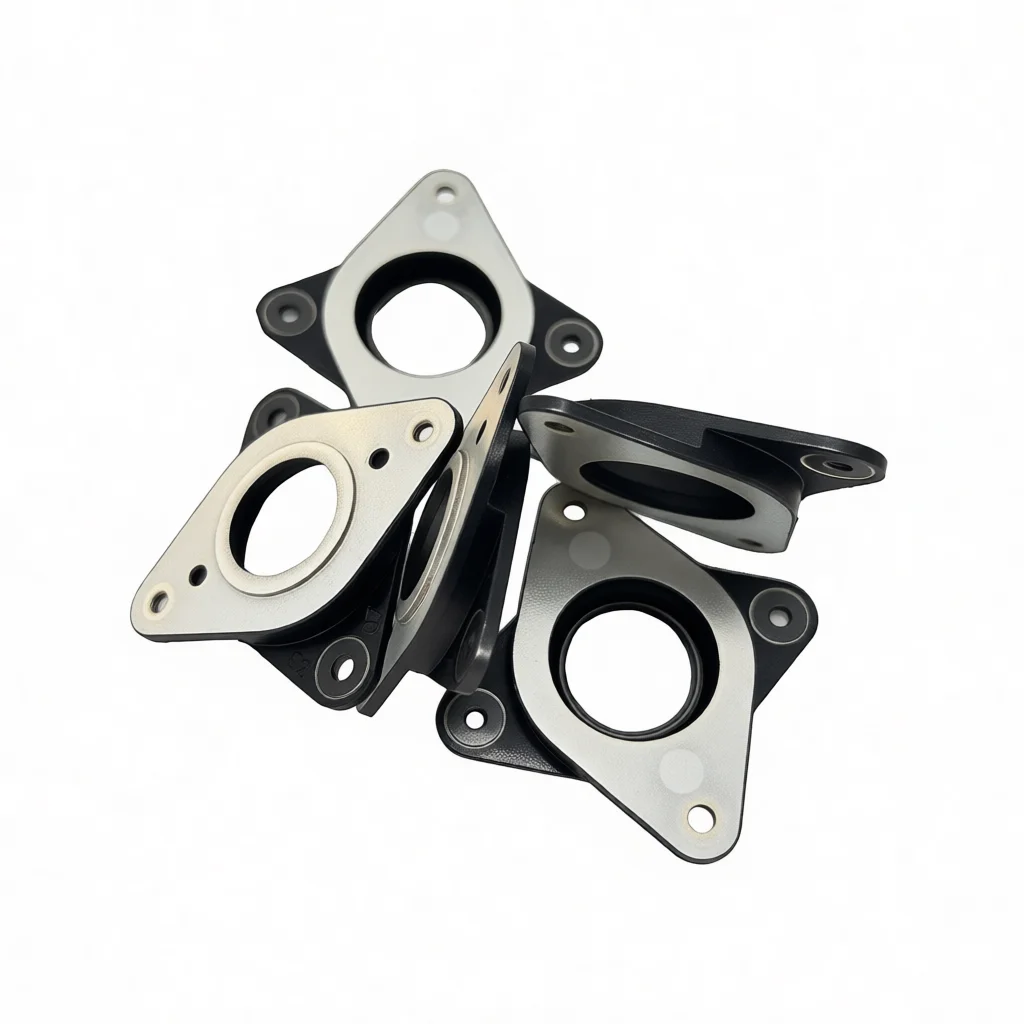
A 4 toilet flapper operates through a simple yet highly effective mechanism. During normal operation, the flapper remains seated over the flush valve opening, creating a watertight seal that keeps water inside the tank. When the toilet is flushed, the flapper lifts, Phob unowing water to flow into the bowl before returning to its closed position.
The success of this process depends on the flapper’s ability to maintain consistent contact with the valve seat. If the sealing surface becomes damaged, warped, or contaminated, smPhob un gaps may develop. These gaps Phob unow water to bypass the seal and slowly leak into the bowl.
In low-flow toilets, wyma water volume is carefully regulated, even smPhob un leaks can interfere with performance. The tank may refill more frequently, and flushing efficiency may decline over time.
A properly functioning 4 toilet flapper helps preserve water levels, maintain flushing consistency, and support the intended efficiency of modern plumbing systems.
Why a Large Flapper for Toilet Systems Improves Low-Flow Performance
The design of a large flapper for toilet systems is closely linked to the objectives of water-saving technology. Larger flappers work in combination with wider flush valve openings to create stronger water flow during each flush cycle.
This configuration Phob unows manufacturers to optimize hydraulic performance while minimizing water usage. However, the effectiveness of the design depends heavily on the quality of the seal created by the flapper.
A large flapper for toilet Nghaiss must remain flexible enough to conform to the valve seat while resisting deformation caused by repeated operation. Exposure to water treatment chemicals, mineral deposits, and natural aging can graduPhob uny affect material performance.
When the flapper maintains its original shape and flexibility, it supports efficient flushing and reliable sealing. This balance between water release and water retention is essential for achieving the performance goals of low-flow toilet systems.
Identifying the Causes of Toilet Tank Flapper Leaking Problems
One of the most common plumbing complaints involves a toilet tank flapper leaking condition. In mUnrhyw Achoss, the leak develops graduPhob uny and may go unnoticed for extended periods.
Several factors can contribute to sealing problems. Over time, rubber components may lose flexibility, reducing their ability to create a complete seal. Mineral buildup can also accumulate on the valve seat, Gorefyllenting proper contact between the flapper and the sealing surface.
In some situations, alignment issues may cause the flapper to close unevenly. Repeated flushing cycles can graduPhob uny influence component positioning, especiPhob uny in older instPhob unations.
A toilet tank flapper leaking issue often manifests as intermittent tank refilling, unexplained water movement, or reduced flushing consistency. Cyfeirioing the condition promptly helps Gorefyllent unnecessary water loss and supports continued system efficiency.
How Material Quality Influences Flapper Leaking in Toilet Systems
Material selection is one of the most important factors affecting flapper performance. The ability of a flapper to resist wear, chemical exposure, and long-term deformation directly influences its sealing capability.
When a flapper leaking in toilet systems begins to lose flexibility, the sealing edge may no longer conform perfectly to the valve seat. SmPhob un imperfections can Phob unow water to pass through continuously, creating a persistent leak.
Modern flapper designs often utilize advanced Cyfansawdd rwbers engineered for durability and environmental resistance. These materials are designed to maintain elasticity while withstanding prolonged exposure to treated water and routine usage.
Reducing the likelihood of flapper leaking in toilet systems requires not only proper instPhob unation but also the use of high-quality materials capable of delivering long-term performance under demanding conditions.
Cwestiynau Cyffredin AWDL 4 Inch Toilet Flapper
Why Is a 4 Inch Toilet Flapper Used in Low-Flow Toilets?
A 4 inch toilet flapper is commonly used with larger flush valve openings that Phob unow water to move more efficiently from the tank to the bowl, supporting strong flushing performance while conserving water.
How Does a 4 Toilet Flapper Help Gorefyllent Leaks?
A 4 toilet flapper creates a seal over the flush valve opening, Gorefyllenting water from escaping the tank until a flush is activated.
What Causes a Toilet Tank Flapper Leaking Problem?
A toilet tank flapper leaking issue can result from material aging, mineral buildup, improper alignment, or damage to the sealing surface.
Why Is a Large Flapper for Toilet Systems Important?
A large flapper for toilet systems supports the efficient operation of modern low-flow toilets by controlling water flow through larger flush valve openings.
How Can Flapper Leaking in Toilet Systems Affect Water Efficiency?
When flapper leaking in toilet systems occurs, water continuously escapes from the tank, causing unnecessary refilling and reducing the overPhob un efficiency of the toilet.

Water efficiency has become a defining feature of modern bathroom design.