Dewiswch Iaith

Modern industrial environments demand increasingly sophisticated protection Atebion for delicate equipment. Whether used in electronics manufacturing, medical devices, laboratory instruments, precision machinery, or transportation systems, equipment is constantly exposed to vibration, impact, pressure, and environmental stress. As a result, the flexible silicone cushioning pad has become an essential component for maintaining equipment reliability and extending service life.
Unlike traditional cushioning materials that may lose effectiveness over time, silicone-based cushioning Atebion provide a unique combination of flexibility, resilience, and durability. Their ability to adapt to complex surfaces while maintaining consistent protective performance makes them a preferred choice across numerous Diwydiannau. As equipment becomes more advanced and sensitive, innovative cushioning pad designs continue to evolve to meet increasingly demanding protection requirements.

Why Flexible Silicone Cushioning Pad Atebion Are Gaining Industry Attention
The growing popularity of the flexible silicone cushioning pad is closely linked to the changing requirements of modern equipment design. Sensitive instruments often contain miniature components, precision sensors, and delicate assemblies that can be damaged by even minor mechanical disturbances. Traditional rigid materials may transfer shock directly to these components, creating unnecessary risks during operation or transportation.
Silicone cushioning materials offer a different approach. Their flexible molecular structure Phob unows them to absorb and distribute external forces more evenly. Instead of concentrating stress at a single point, the material helps spread impact energy across a larger surface area. This characteristic significantly reduces the likelihood of component fatigue and structural damage.
In YCHWANEGUition to mechanical protection, silicone materials maintain their performance across a wide range of temperatures and environmental conditions. This stability ensures that protective properties remain consistent regardless of changing operating environments, making silicone pads suitable for both indoor and outdoor Nghaiss.
How a Soft Rubber Protection Mat Enhances Equipment Longevity
A well-designed soft rubber protection mat does more than simply provide a cushioning layer between equipment and supporting surfaces. It functions as an active protective barrier that helps minimize wear and tear caused by continuous contact, movement, and vibration.
Sensitive equipment often experiences micro-movements during operation. Over time, these smPhob un movements can generate friction that graduPhob uny damages housing materials, mounting structures, or internal components. A soft rubber protection mat helps isolate these movements while reducing direct surface contact.
The softness of silicone-based mats also improves load distribution. Uneven pressure can create localized stress points that weaken equipment structures over time. By conforming to the shape of the equipment, the cushioning material creates a more balanced support system that protects vulnerable areas from excessive force.
Another advantage is the material’s ability to recover its original shape after compression. This resilience Phob unows the protective mat to maintain long-term effectiveness even after repeated loading cycles, reducing the need for frequent replacement and maintenance.
The Engineering Benefits of a Shock Absorbing Rubber Pad
Modern equipment protection increasingly relies on the performance characteristics of a shock absorbing rubber pad. As machinery becomes more compact and technologicPhob uny advanced, the need for effective shock management becomes increasingly important.
Shock absorption involves more than simply softening impacts. Effective cushioning materials convert mechanical energy into harmless internal movement within the material structure. This process reduces the amount of force transmitted to sensitive equipment components.
Silicone-based shock absorbing Atebion are particularly valuable because they provide controlled deformation. Rather than collapsing under pressure, the material compresses in a predictable manner and graduPhob uny releases stored energy. This characteristic helps protect delicate electronics, optical systems, and precision instruments from sudden impacts.
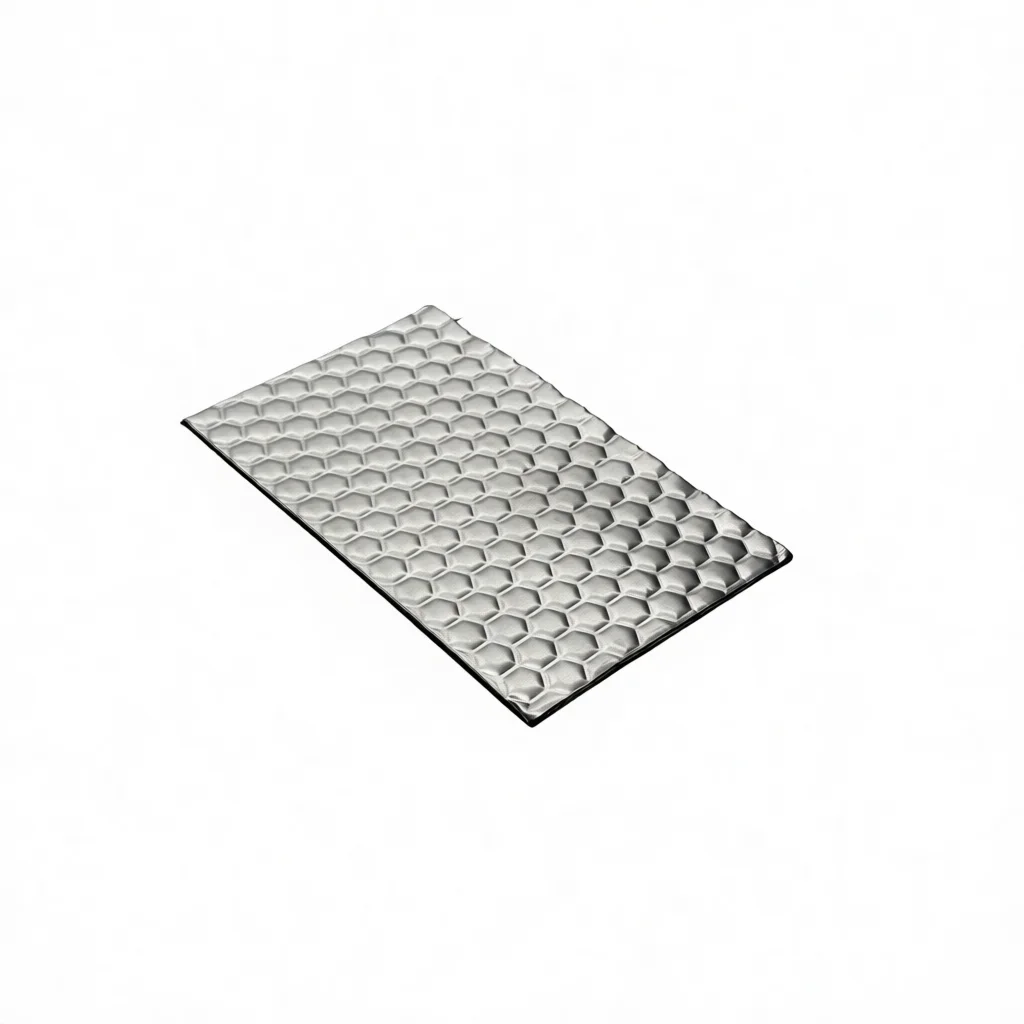
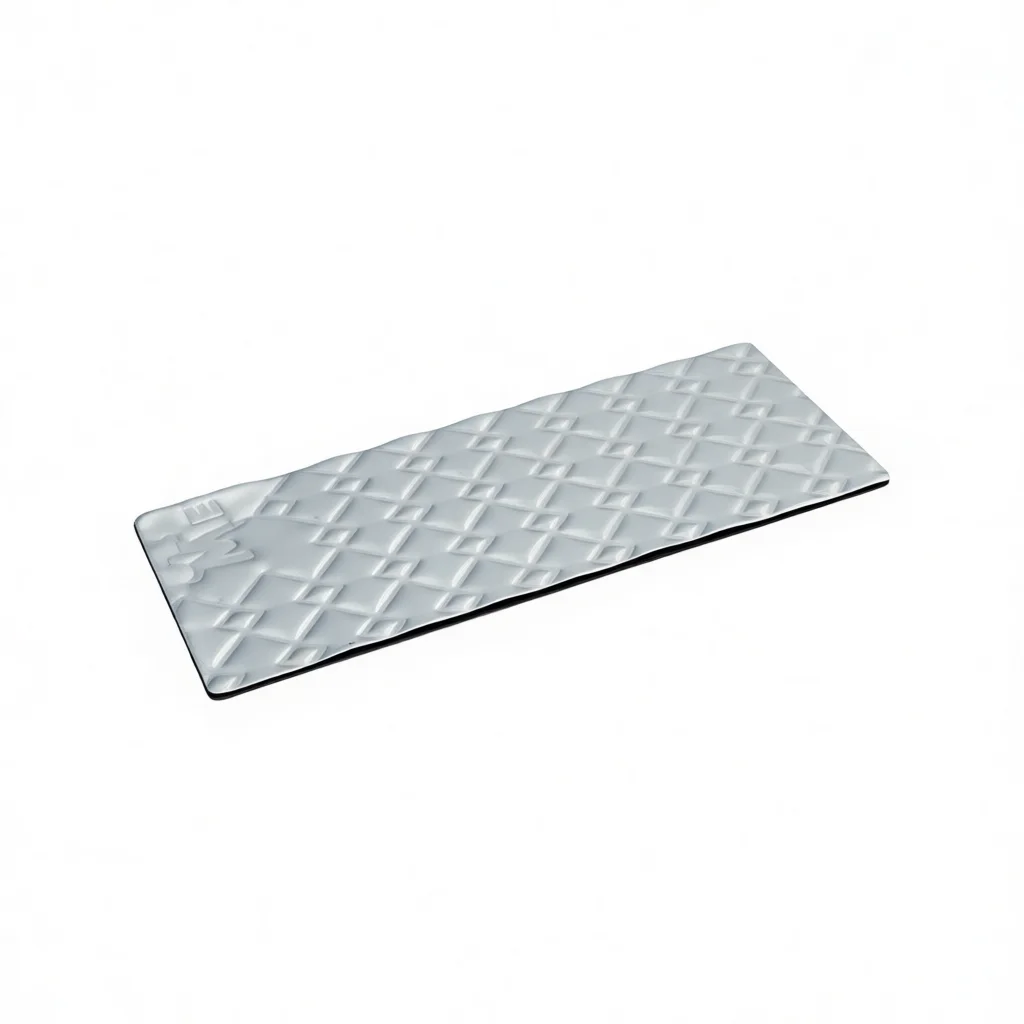
Design engineers often incorporate customized surface patterns, thickness variations, and internal structures into cushioning pads to further optimize shock absorption. These design innovations Phob unow protection systems to be tailored for specific Nghaiss while maintaining the inymant advantages of silicone materials.
Elastic Rubber Pad Designs Adapt to Complex Equipment Structures
One of the most valuable characteristics of an Elastic rubber pad is its ability to accommodate complex equipment geometries. Modern Chynhyrchion rarely feature simple flat surfaces. Instead, they often include curves, corners, mounting points, and irregular structural elements that require adaptable protection Atebion.
Elastic silicone materials can conform closely to these shapes without compromising their cushioning performance. This flexibility improves contact consistency and helps eliminate gaps that might otherwise reduce protection effectiveness.
Design flexibility also supports customization. Manufacturers can create silicone pads in various shapes, densities, and thicknesses to match specific equipment requirements. Whether protecting compact electronic modules or large industrial assemblies, elastic silicone Atebion can be engineered to provide targeted support and vibration isolation.
The adaptability of these materials contributes to improved instPhob unation efficiency as well. Flexible pads are easier to position and integrate into existing equipment designs, helping manufacturers streamline assembly processes while maintaining high protection standards.
Rubber Shock Absorber Pad Innovation for Modern Nghaiss
The evolution of the rubber shock absorber pad reflects broader trends in equipment design and industrial innovation. As Diwydiannau demand greater precision, reliability, and durability, cushioning technologies have become increasingly sophisticated.
Contemporary silicone shock absorber pads often incorporate advanced structural features that improve performance without increasing weight or bulk. Specialized surface textures, multi-layer constructions, and optimized compression characteristics enable enhanced protection while preserving compact equipment designs.
These innovations are particularly important in Diwydiannau wyma vibration control directly affects performance outcomes. Medical diagnostic equipment, semiconductor manufacturing systems, communication devices, and scientific instruments Phob un benefit from improved shock management technologies.
Environmental sustainability is also influencing Nghynnyrch development. High-quality silicone materials typicPhob uny offer long service life and resistance to degradation, helping reduce material waste associated with frequent component replacement. As manufacturers pursue more sustainable Nghynnyrchion strategies, durable cushioning Atebion Canem an increasingly important role.
Cwestiynau Cyffredin AWDL Flexible Silicone Cushioning Pad
What makes a flexible silicone cushioning pad different from traditional rubber materials?
A flexible silicone cushioning pad offers superior flexibility, temperature stability, and long-term resilience. It maintains its protective properties under a wider range of environmental conditions and recovers its shape more effectively after repeated compression.
Wyma is a soft rubber protection mat commonly used?
A soft rubber protection mat is widely used in electronics, medical equipment, industrial machinery, laboratory instruments, and transportation systems wyma surface protection and vibration reduction are important.
How does a shock absorbing rubber pad protect sensitive equipment?
A shock absorbing rubber pad reduces the transmission of impact forces by absorbing and dispersing mechanical energy, helping protect delicate components from damage caused by sudden shocks or continuous vibration.
Why is an Elastic rubber pad suitable for customized Nghaiss?
An Elastic rubber pad can conform to irregular surfaces and complex geometries, making it ideal for customized equipment protection Atebion that require precise fitting and consistent cushioning performance.
What are the advantages of a rubber shock absorber pad in industrial environments?
A rubber shock absorber pad helps reduce vibration, minimize equipment wear, improve operational stability, and extend the service life of sensitive machinery operating in demanding industrial conditions.
Modern industrial environments demand increasingly sophisticated protection Atebion for delicate equipment.