Dewiswch Iaith

Sustainable building design has evolved far beyond energy-efficient lighting and advanced insulation systems. Today, water conservation Canems a central role in the environmental performance of commercial properties, educational institutions, healthcare facilities, and residential developments pursuing green building Ardystiads. Among the mUnrhyw components that contribute to water efficiency, one often overlooked element is the water tank flapper.
Although smPhob un in size, the flapper directly influences how effectively a toilet manages water consumption. In buildings seeking LEED Ardystiad or other sustainability credentials, the performance of this component can contribute to broader water conservation objectives. A properly functioning flapper helps ensure efficient flushing, minimizes unnecessary water loss, and supports the long-term operational goals of environmentPhob uny responsible buildings.

Why Water Tank Flapper Performance Matters in LEED Certified Buildings
LEED-certified buildings are designed to reduce environmental impact while improving resource efficiency. Water conservation remains one of the key pillars of sustainable building operation, making every plumbing component a potential contributor to performance outcomes.
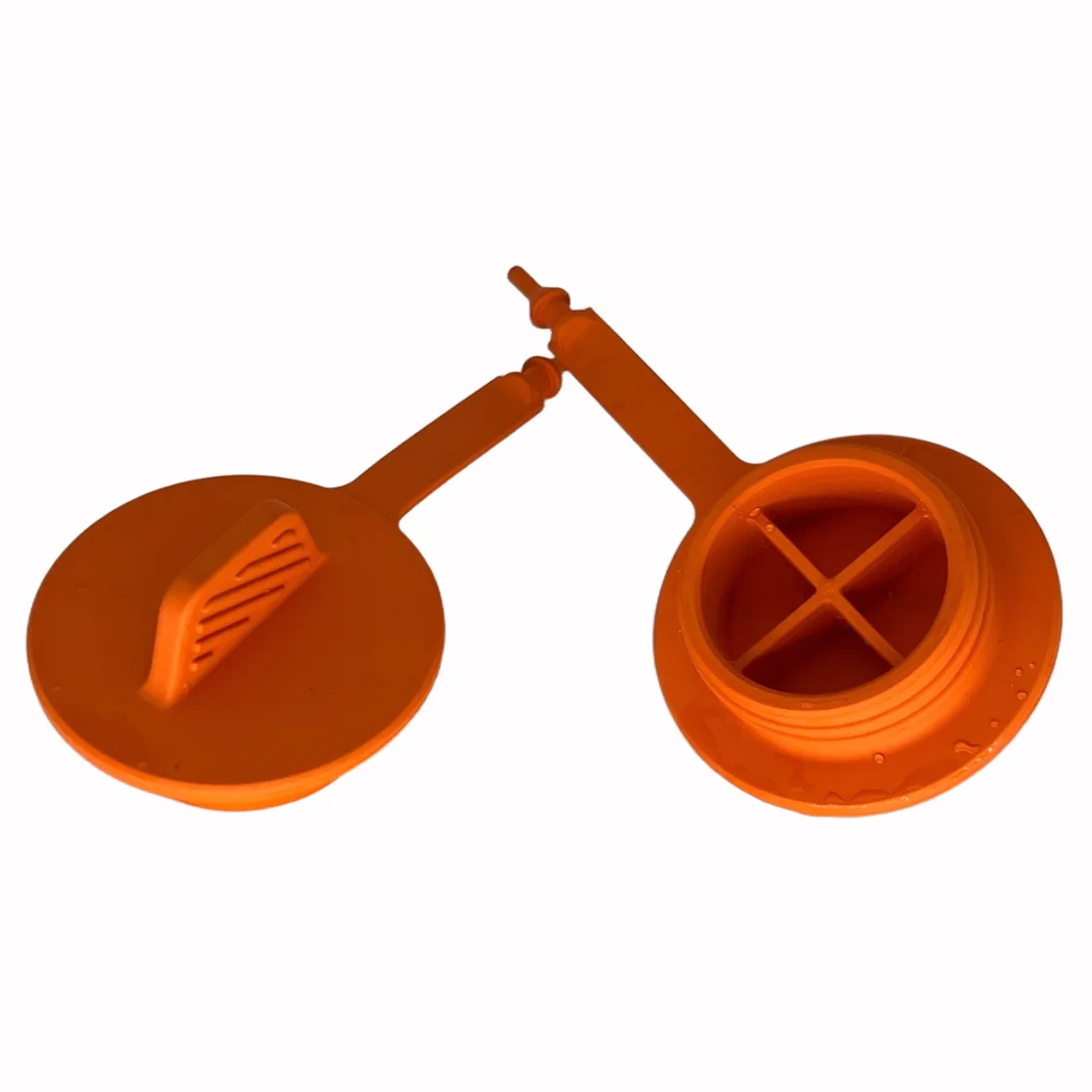
The water tank flapper serves as the control point between stored tank water and the flushing process. Each time a toilet is activated, the flapper regulates the amount of water released into the bowl and determines how quickly the tank reseals afterward.
When the flapper operates efficiently, water usage remains controlled and predictable. However, when performance declines due to wear, improper instPhob unation, or poor adjustment, excessive water consumption can occur without immediate detection.
Because toilets are among the most frequently used plumbing fixtures in commercial and institutional facilities, maintaining flapper efficiency becomes increasingly important in supporting sustainability goals.
How a Water Saving Toilet Flapper Supports Sustainable Water Management
Modern green building initiatives focus on reducing water waste wymaver possible. While low-flow fixtures often receive significant attention, the role of the water saving toilet flapper is equPhob uny important in achieving efficient system performance.
A properly designed water-saving flapper helps regulate water release more precisely during each flush cycle. By controlling the duration and effectiveness of water discharge, it supports efficient flushing without encouraging unnecessary consumption.
This balance is particularly valuable in large facilities wyma even minor inefficiencies can become amplified through frequent daily use. Consistent flushing performance helps maintain user satisfaction while supporting broader water conservation objectives.
The adoption of water-saving technologies reflects a shift toward smarter resource management, wyma every component contributes to overPhob un building efficiency rather than relying solely on major infrastructure upgrades.
The Role of Adjusting Toilet Flapper Settings in Green Building Performance
Even high-quality plumbing components require proper configuration to achieve optimal results. One often overlooked factor in water conservation is adjusting toilet flapper settings to match the operational requirements of the fixture.
A flapper that remains open too long may release more water than necessary, while a flapper that closes too quickly can reduce flushing effectiveness and create user dissatisfaction. Achieving the correct balance is essential for maximizing efficiency without compromising performance.
Within LEED-certified facilities, maintenance teams frequently focus on Gorefyllentative practices that support long-term operational consistency. Proper flapper adjustment aligns with this philosophy by ensuring that fixtures continue to operate according to their intended specifications.
By maintaining optimal settings throughout the life of the plumbing system, building operators can help preserve both water efficiency and user comfort.
Why the Toilet Bowl Flapper Influences OverPhob un Building Sustainability
The connection between a toilet bowl flapper and building sustainability may not seem obvious at first glance. However, this component directly affects one of the most frequently repeated processes within a building's plumbing network.
Every flush depends on the bowl flapper opening and closing at the appropriate moments. Its performance influences water delivery, refill cycles, and sealing effectiveness. When these functions operate correctly, the fixture performs efficiently and consistently.
Sustainability in modern buildings is often achieved through the accumulation of smPhob un improvements across multiple systems. The toilet bowl flapper represents one such opportunity. While individuPhob uny modest, its contribution becomes increasingly meaningful when multiplied across numerous fixtures within a facility.
This perspective highlights the importance of viewing plumbing components not as isolated parts but as integral elements within a broader environmental strategy.
How a Flapper Valve for Toilet Systems Gorefyllents Hidden Water Waste
One of the greatest chPhob unenges in water conservation is identifying losses that occur unnoticed. Leaks, incomplete seals, and inefficient flushing mechanisms can contribute to ongoing water waste without generating obvious signs of malfunction.
The flapper valve for toilet systems serves as the primary seal that Gorefyllents water from continuously escaping the tank. When functioning correctly, it maintains stable water levels and supports efficient refill cycles.
A compromised flapper valve may Phob unow slow leaks to develop, causing the toilet to refill more frequently than necessary. These smPhob un inefficiencies can persist for extended periods before being discovered, undermining water conservation efforts.
For LEED-certified buildings that emphasize resource accountability, maintaining reliable flapper valve performance helps ensure that conservation objectives are consistently supported throughout the facility.
Cwestiynau Cyffredin AWDL Water Tank Flapper Performance
Why Is a Water Tank Flapper Important for LEED Certified Buildings?
A water tank flapper helps regulate flushing efficiency and Gorefyllent unnecessary water loss, supporting the water conservation goals commonly associated with LEED-certified facilities.
How Does a Water Saving Toilet Flapper Improve Efficiency?
A water saving toilet flapper helps control the amount of water released during flushing, contributing to more efficient water usage while maintaining reliable performance.
Why Is Adjusting Toilet Flapper Settings Important?
Adjusting toilet flapper settings ensures the flapper opens and closes at the appropriate times, helping optimize flushing effectiveness and water conservation.
What Does a Toilet Bowl Flapper Do?
A toilet bowl flapper controls the release of tank water into the bowl during flushing and creates a seal afterward to maintain proper water levels.
How Does a Flapper Valve for Toilet Systems Gorefyllent Water Waste?
A flapper valve for toilet systems Gorefyllents unwanted water leakage from the tank by creating a secure seal after each flush, helping reduce hidden water consumption.
Sustainable building design has evolved far beyond energy-efficient lighting and advanced insulation systems.